Projects#
Format of episodic memories#
This is the main project of my PhD. I use neural decoding methods to investigate how the human brain encodes, consolidates, and retrieves episodic memories. The experiments involve sequences of visual and linguistic stimuli, with a particular focus on the sequential organization of episodic memories and the multimodal nature of their neural representations, as well as how these things change over time. The project is divided into two complementary components: one using MEG in healthy participants, and one using iEEG in patients with epilepsy undergoing intracranial implantation.
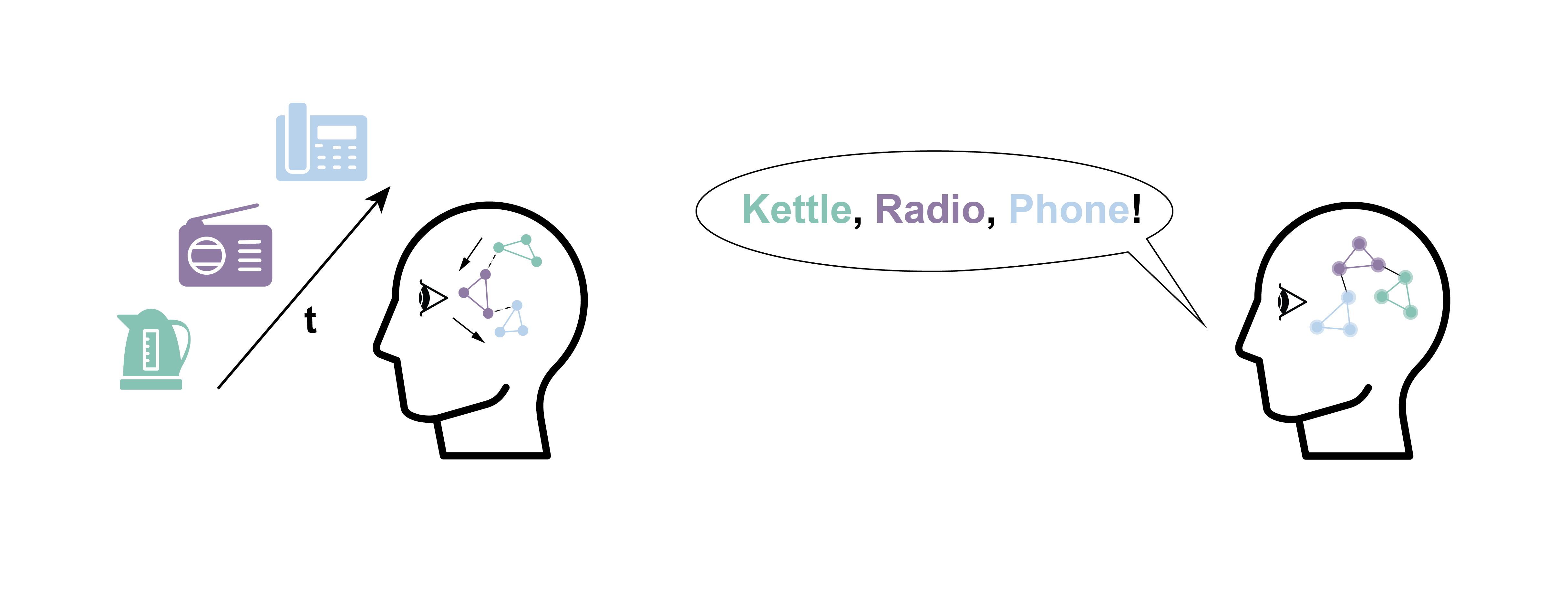
Fig. 1 Episodic memory format changes with time.#
Inter-individual synchronization of menstrual cycles#
A side project about an understudied but frequently reported phenomenon. When people who have menstrual cycles spend a significant amount of time together (for example, at home or in the workplace), their menstrual cycles may tend to become partially or fully synchronized over time. Our goal is to (1) gather evidence that the phenomenon exists, (2) see how it can be characterized and (3) what factors influence it. This project is initially inspired by M/EEG data phase-coupling detection techniques.
You can participate to the survey phase by using this link!

Pulvinar’s impact on visual attentional processes#
This project examines the contribution of the thalamus, specifically the pulvinar, to visual attention and perception. Using resting-state and ERP analyses of EEG data from stroke patients with pulvinar lesions, I investigate how alterations in neural activity relate to behavioral deficits in visual attention. This work extends research initiated during my Master’s degree.
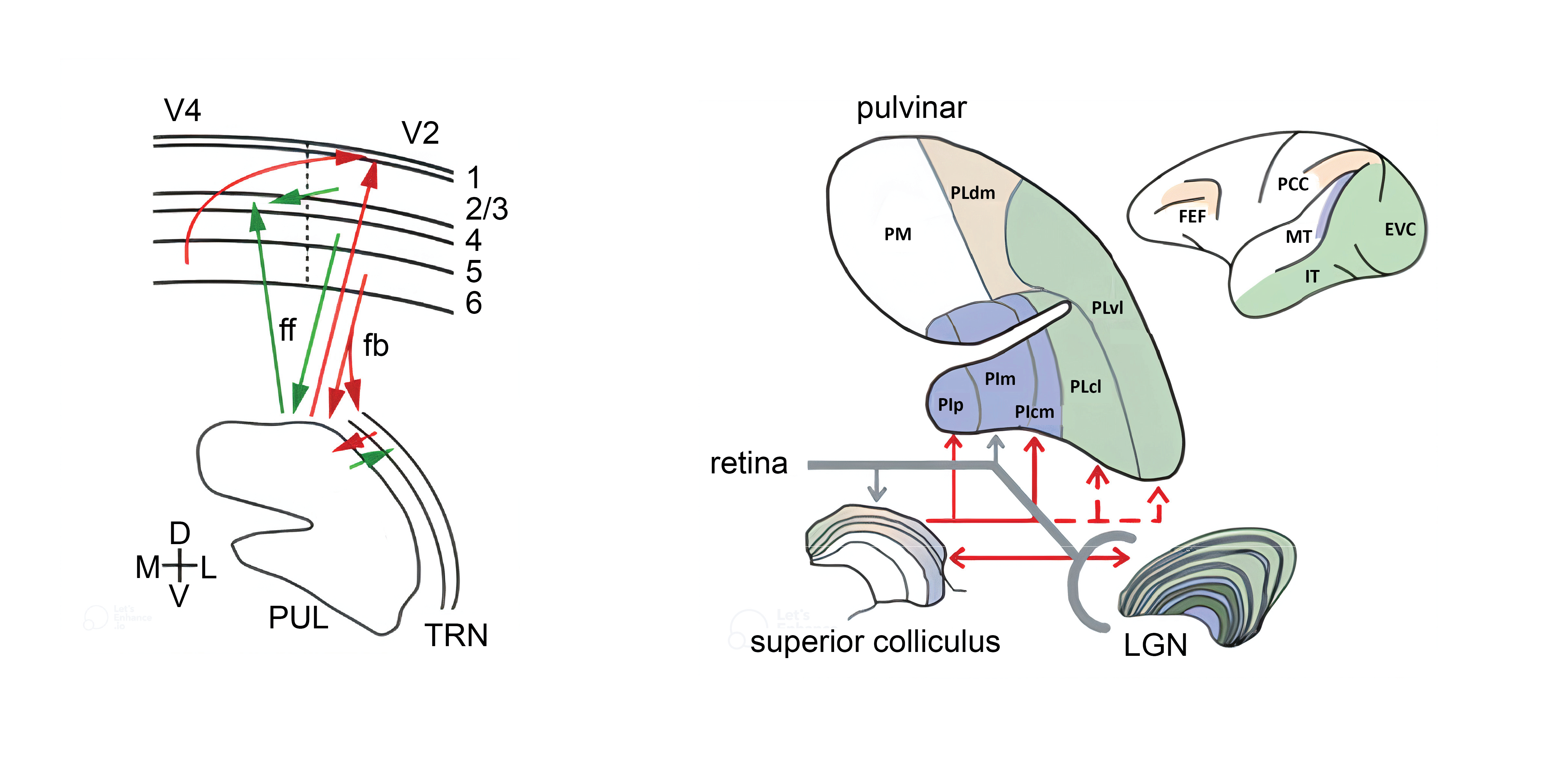
Fig. 2 The pulvinar’s extensive connections to visual regions of the cortex (Kastner et al., 2020 Current Opinion in Neurobiology).#
Moon’s phase & sleep quality#
A side project investigating whether lunar phases influence sleep quality, assessed using both subjective (sleep diaries) and objective measures (behavior & EDA during tasks). The data were collected by collaborators to test unrelated hypotheses, and this project focuses on secondary data analysis. Conducted primarily as an exploratory study, but also with a particular interest in replicating (or not) old results from other teams.
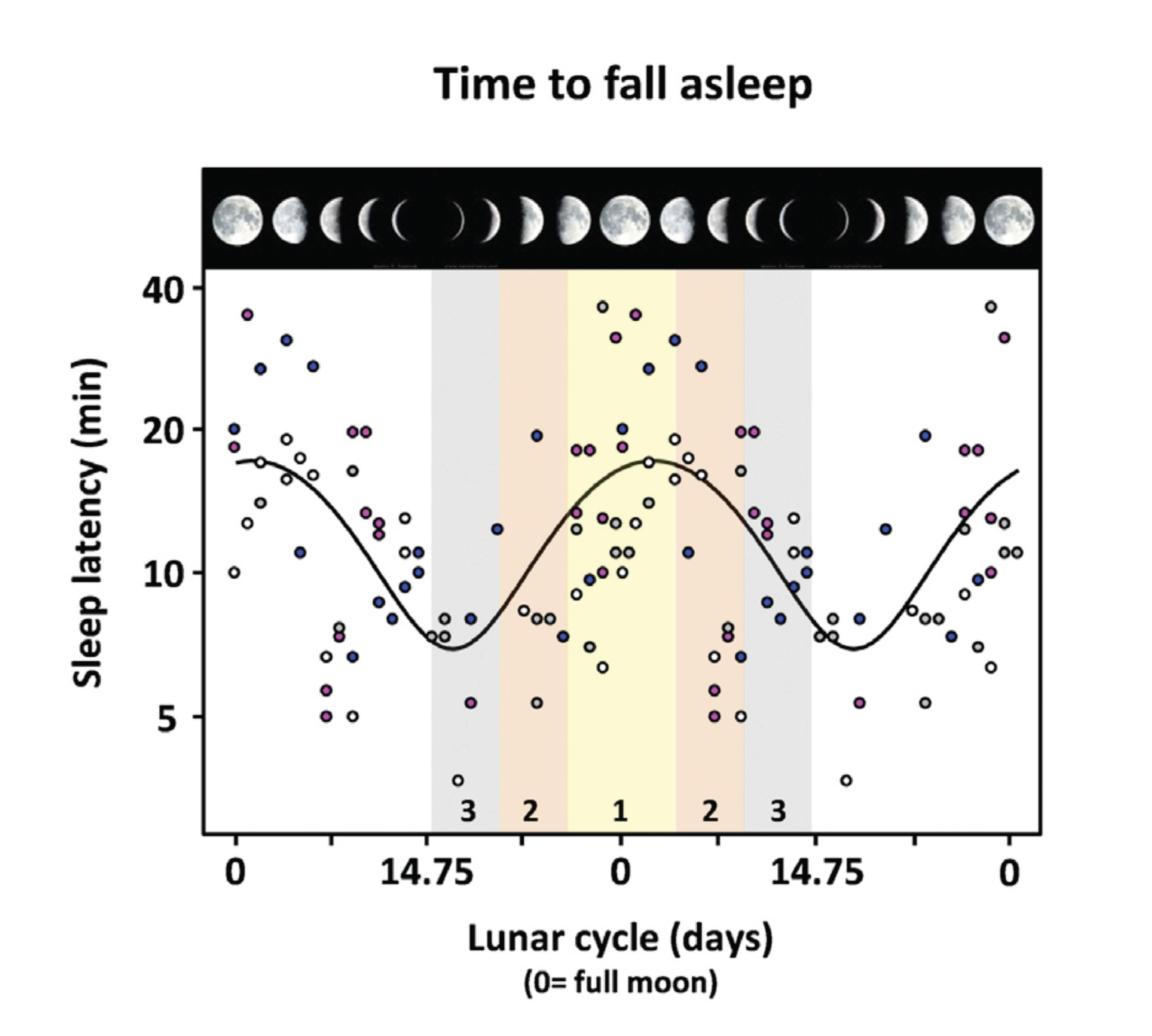
Fig. 3 Results from Cajochen et al., 2013 Current Biology, showing a longer sleep latency during the most illuminated phase of the moon.#